01
Green Campus & Events
Makes the Bocconi campus greener and brings the community together around sustainability.
Two teams: Green Campus and Events
What you’d do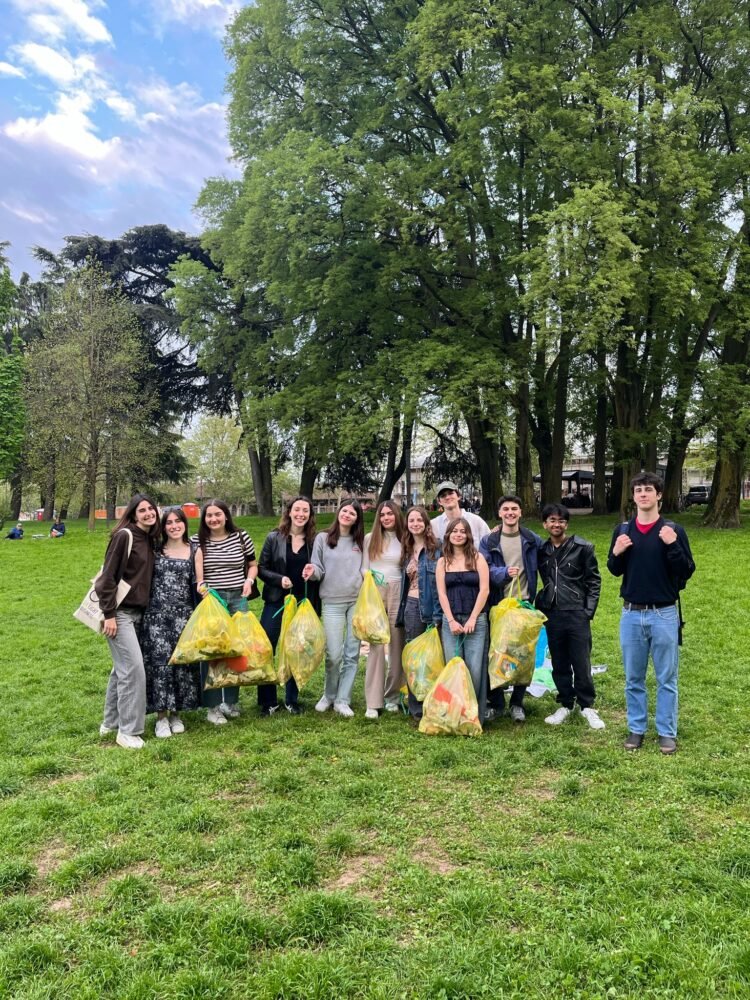
Green Light for Business
Bocconi University’s student association for sustainability, since 2007.
Every member joins one division for the semester. Environmental, social and economic sustainability, worked on by students, on campus and in print.
01
Makes the Bocconi campus greener and brings the community together around sustainability.
Two teams: Green Campus and Events
What you’d do02
Tells the story of the association on Instagram, LinkedIn and TikTok.
What you’d do03
Publishes student-written articles on sustainability every week during term.
What you’d doThe Green Campus team takes proposals to the University’s Environment Committee and follows them until they are part of the building.
One article a week during term, written and signed by members.
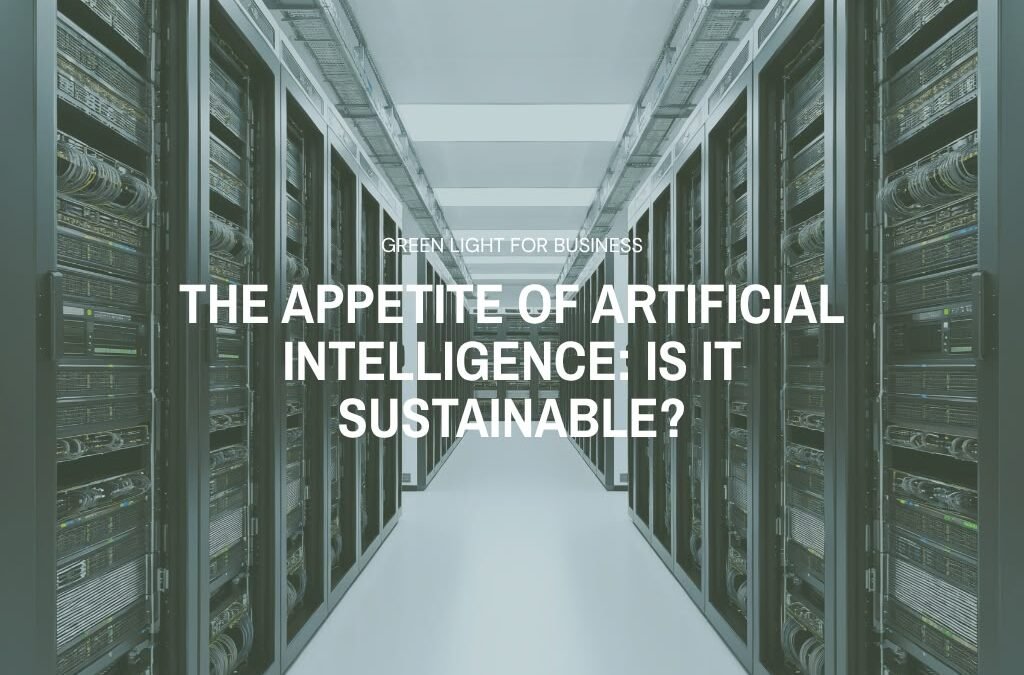
Artificial intelligence has come to dominate the technology sector. However, there is no AI without energy – specifically energy for data centers. With its rapid acceleration in development and uptake, and growing concerns about the ethics of its practices, it…
Applications for the Fall 2026 intake have closed. The next round opens at the start of next semester. Applications open twice a year, in September and February, at the start of each semester. New members join a division for the full semester.